

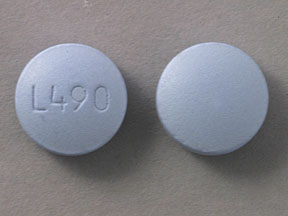
Aleve Coupons & Savings Card – Discount Prices from $8.87
Brand for: Naproxen sodium
My prescription
Edit
220MG, Naproxen Sodium (60 Tablets)
Select pharmacy

Albertsons
$8.87
COUPON PRICEAleve savings card
Show this card to your pharmacistAlbertsons
$8.87
BIN
ID
PCN
GRP
019876
LHDC9DF86B
CHIPPO
LHX
Powered by
Related NSAIDs prescriptions
More prescriptions for rheumatoid arthritis
Related NSAIDs prescriptions
More prescriptions for rheumatoid arthritis
Price history for Aleve (brand) & Naproxen Sodium (generic)
60 Tablets, 220MG
Average retail price for Aleve
Average retail price for Naproxen Sodium
Average SaveHealth price for Naproxen Sodium
Our price history data is based on aggregated prescription data collected from participating pharmacies in America. Our prescription data updates daily to reflect the latest price changes. If you notice a missing data point, it means there wasn't sufficient data available to generate a monetary value for that date.
Over the last 12 months, the average discount price of Aleve is $7.69 using the SaveHealth savings card. That's an average savings of 85.21% on Aleve with our discount card.
*Retail prices are based on pharmacy claims data, and may not be accurate when we don't have enough claims.
Aleve (Naproxen Sodium) dosage forms
Dosage Quantity Price from Per unit 220MG 60 Tablets $8.87 $0.15 220MG 10 Tablets $8.14 $0.81 220MG 14 Tablets $8.20 $0.59 220MG 15 Tablets $8.22 $0.55 220MG 20 Tablets $8.29 $0.41 220MG 24 Tablets $8.35 $0.35 220MG 28 Tablets $8.41 $0.30 220MG 30 Tablets $8.43 $0.28 220MG 40 Tablets $8.58 $0.21 220MG 50 Tablets $8.72 $0.17
| Dosage | Quantity | Price from | Per unit |
|---|---|---|---|
| 220MG | 60 Tablets | $8.87 | $0.15 |
| 220MG | 10 Tablets | $8.14 | $0.81 |
| 220MG | 14 Tablets | $8.20 | $0.59 |
| 220MG | 15 Tablets | $8.22 | $0.55 |
| 220MG | 20 Tablets | $8.29 | $0.41 |
| 220MG | 24 Tablets | $8.35 | $0.35 |
| 220MG | 28 Tablets | $8.41 | $0.30 |
| 220MG | 30 Tablets | $8.43 | $0.28 |
| 220MG | 40 Tablets | $8.58 | $0.21 |
| 220MG | 50 Tablets | $8.72 | $0.17 |
| 220MG | 90 Tablets | $9.30 | $0.10 |
| 220MG | 100 Tablets | $9.45 | $0.09 |
| 220MG | 120 Tablets | $9.74 | $0.08 |
| 220MG | 200 Tablets | $10.89 | $0.05 |
| 220MG | 500 Tablets | $15.24 | $0.03 |
| 220MG | 1000 Tablets | $22.47 | $0.02 |
What is the downside of Aleve?
Aleve, which contains the active ingredient naproxen, can have several potential downsides or side effects. Common side effects include stomach pain, heartburn, nausea, headache, dizziness, and drowsiness. More serious risks include gastrointestinal bleeding, ulcers, increased blood pressure, kidney problems, and an increased risk of heart attack or stroke, especially with long-term use. It is important for individuals to use Aleve as directed and consult with a healthcare provider if they have any concerns or pre-existing conditions that may be affected by its use.
Which is better, Tylenol or Aleve?
The choice between Tylenol (acetaminophen) and Aleve (naproxen) depends on the individual's specific needs and medical conditions. Tylenol is often preferred for reducing fever and relieving mild to moderate pain without causing stomach irritation, making it suitable for those with sensitive stomachs or who are taking blood thinners. Aleve, on the other hand, is a nonsteroidal anti-inflammatory drug (NSAID) that is effective for reducing inflammation and treating pain associated with conditions like arthritis. However, it may cause stomach irritation and is not recommended for individuals with certain cardiovascular or kidney conditions. It is important to consider personal health factors and consult with a healthcare provider to determine the most appropriate option.
When should you not take Aleve?
Aleve, which contains naproxen, should not be taken by individuals who have had allergic reactions to aspirin or other NSAIDs. It should also be avoided by those with a history of gastrointestinal bleeding or ulcers, severe heart failure, or kidney disease. Pregnant women, especially in the third trimester, and individuals with a history of heart attack or stroke should consult a healthcare provider before using Aleve. Additionally, those taking blood thinners or other medications that may interact with NSAIDs should seek medical advice prior to use.
Is Aleve more effective than Tylenol?
The effectiveness of Aleve (naproxen) versus Tylenol (acetaminophen) depends on the condition being treated. Aleve is a nonsteroidal anti-inflammatory drug (NSAID) and is often more effective for reducing inflammation and pain associated with conditions like arthritis. Tylenol, on the other hand, is typically used for pain relief and fever reduction but does not have anti-inflammatory properties. For general pain relief, both can be effective, but individual responses may vary. It is important to consider any underlying health conditions and consult with a healthcare provider to determine the most appropriate medication.
What should you not mix with Aleve?
Aleve, which contains naproxen, should not be mixed with other nonsteroidal anti-inflammatory drugs (NSAIDs) like ibuprofen or aspirin, as this can increase the risk of gastrointestinal bleeding and ulcers. Additionally, it should be used cautiously with blood thinners such as warfarin, as it may enhance the risk of bleeding. Alcohol consumption should also be limited, as it can increase the risk of stomach bleeding. Always consult with a healthcare provider before combining Aleve with other medications or supplements.