

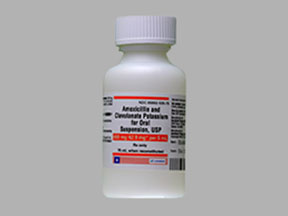
Augmentin Es-600 Coupons & Savings Card – Discount Prices from $10.92
Brand for: Amoxicillin-clavulanate
My prescription
Edit
125ML of 600-42.9MG/5ML, Amoxicillin-clavulanate (1 Bottle)
Select pharmacy

CVS
$23.31
COUPON PRICE
Walmart
$10.92
COUPON PRICE
Albertsons
$16.53
COUPON PRICE
Walgreens
$16.84
COUPON PRICEAugmentin Es-600 savings card
Show this card to your pharmacistWalmart
$10.92
BIN
ID
PCN
GRP
019876
LHA3F168FF
CHIPPO
LHX
Powered by
More prescriptions for urinary tract infection
More prescriptions for urinary tract infection
Augmentin Es-600 (Amoxicillin-clavulanate) dosage forms
Dosage Quantity Price from Per unit 125ML of 600-42.9MG/5ML 1 Bottle $10.92 $10.92 125ML of 600-42.9MG/5ML 2 Bottles $19.33 $9.67 125ML of 600-42.9MG/5ML 3 Bottles $27.75 $9.25 125ML of 600-42.9MG/5ML 4 Bottles $38.35 $9.59 125ML of 600-42.9MG/5ML 5 Bottles $43.36 $8.67
| Dosage | Quantity | Price from | Per unit |
|---|---|---|---|
| 125ML of 600-42.9MG/5ML | 1 Bottle | $10.92 | $10.92 |
| 125ML of 600-42.9MG/5ML | 2 Bottles | $19.33 | $9.67 |
| 125ML of 600-42.9MG/5ML | 3 Bottles | $27.75 | $9.25 |
| 125ML of 600-42.9MG/5ML | 4 Bottles | $38.35 | $9.59 |
| 125ML of 600-42.9MG/5ML | 5 Bottles | $43.36 | $8.67 |
What is AUGMENTIN ES-600 used for?
AUGMENTIN ES-600 is used to treat certain types of bacterial infections. It is commonly prescribed for infections such as sinusitis, pneumonia, ear infections, bronchitis, urinary tract infections, and skin infections. It is important to use this medication as directed by a healthcare provider.
What is the difference between Augmentin and AUGMENTIN ES-600?
Augmentin and AUGMENTIN ES-600 both contain the same active ingredients, amoxicillin and clavulanate potassium, but they differ in their formulation and intended use. AUGMENTIN ES-600 is specifically formulated for pediatric use, providing a higher concentration of amoxicillin to treat certain infections in children. It is designed to be taken in a lower volume of liquid, making it easier for children to ingest. In contrast, regular Augmentin is available in various formulations suitable for both adults and children.
Does Augmentin work better with or without food?
Augmentin can be taken with or without food, but it is generally recommended to take it with food to reduce the likelihood of stomach upset. Taking it with a meal can help improve tolerance and absorption.
What infections does Augmentin fight?
Augmentin is commonly used to treat a variety of bacterial infections. These include respiratory tract infections such as sinusitis, pneumonia, and bronchitis; ear infections; urinary tract infections; skin infections; and infections of the soft tissues. It is effective against bacteria that are susceptible to the combination of amoxicillin and clavulanate potassium.
Why do doctors always prescribe Augmentin?
Doctors often prescribe Augmentin because it is a broad-spectrum antibiotic that is effective against a wide range of bacterial infections. It combines amoxicillin with clavulanic acid, which helps overcome bacterial resistance by inhibiting beta-lactamase enzymes. This makes it a preferred choice for treating infections such as sinusitis, pneumonia, ear infections, and skin infections, among others. However, the prescription of Augmentin depends on the specific type of infection and the patient's medical history.