

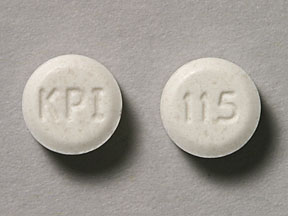
Cytomel Coupons & Savings Card – Discount Prices from $24.90
Brand for: Liothyronine sodium
My prescription
Edit
5MCG, Liothyronine Sodium (90 Tablets)
Select pharmacy

CVS
$33.57
COUPON PRICE
Walmart
$24.90
COUPON PRICE
Albertsons
$28.84
COUPON PRICE
Walgreens
$36.63
COUPON PRICECytomel savings card
Show this card to your pharmacistWalmart
$24.90
BIN
ID
PCN
GRP
015995
LHKWU641337
GDC
DR33
Powered by
More prescriptions for thyroid cancer
More prescriptions for thyroid cancer
Price history for Cytomel (brand) & Liothyronine Sodium (generic)
90 Tablets, 5MCG
Average retail price for Cytomel
Average retail price for Liothyronine Sodium
Average SaveHealth price for Liothyronine Sodium
Our price history data is based on aggregated prescription data collected from participating pharmacies in America. Our prescription data updates daily to reflect the latest price changes. If you notice a missing data point, it means there wasn't sufficient data available to generate a monetary value for that date.
Over the last 12 months, the average discount price of Cytomel is $31.11 using the SaveHealth savings card. That's an average savings of 75.70% on Cytomel with our discount card.
*Retail prices are based on pharmacy claims data, and may not be accurate when we don't have enough claims.
Cytomel (Liothyronine Sodium) dosage forms
Dosage Quantity Price from Per unit 5MCG 90 Tablets $35.21 $0.39 5MCG 30 Tablets $11.31 $0.38 5MCG 60 Tablets $20.13 $0.34 5MCG 100 Tablets $37.15 $0.37 5MCG 1000 Tablets $134.80 $0.14 25MCG 30 Tablets $16.83 $0.56 25MCG 90 Tablets $38.84 $0.43 25MCG 100 Tablets $40.23 $0.40 25MCG 1000 Tablets $165.60 $0.17 50MCG 90 Tablets $43.35 $0.48
| Dosage | Quantity | Price from | Per unit |
|---|---|---|---|
| 5MCG | 90 Tablets | $35.21 | $0.39 |
| 5MCG | 30 Tablets | $11.31 | $0.38 |
| 5MCG | 60 Tablets | $20.13 | $0.34 |
| 5MCG | 100 Tablets | $37.15 | $0.37 |
| 5MCG | 1000 Tablets | $134.80 | $0.14 |
| 25MCG | 30 Tablets | $16.83 | $0.56 |
| 25MCG | 90 Tablets | $38.84 | $0.43 |
| 25MCG | 100 Tablets | $40.23 | $0.40 |
| 25MCG | 1000 Tablets | $165.60 | $0.17 |
| 50MCG | 90 Tablets | $43.35 | $0.48 |
| 50MCG | 100 Tablets | $45.24 | $0.45 |
What is the drug Cytomel used for?
Cytomel is used to treat hypothyroidism, a condition where the thyroid gland does not produce enough thyroid hormone. It is also sometimes used in the treatment of goiter and as part of the management of certain types of thyroid cancer.
Why use Cytomel instead of Synthroid?
Cytomel (liothyronine) and Synthroid (levothyroxine) are both medications used to treat hypothyroidism, but they contain different forms of thyroid hormone. Cytomel contains the active form of thyroid hormone, T3, while Synthroid contains T4, which the body must convert to T3.Cytomel may be preferred in certain situations, such as when a patient has difficulty converting T4 to T3, or when a more rapid onset of action is needed. However, Synthroid is often the first choice because it provides a more stable and consistent level of thyroid hormone. The choice between the two depends on individual patient needs and the specific clinical scenario. A healthcare provider can determine the most appropriate treatment based on the patient's condition and response to therapy.
Does Cytomel cause weight loss?
Cytomel, which contains liothyronine, is a synthetic form of the thyroid hormone triiodothyronine (T3). It is primarily used to treat hypothyroidism and other thyroid-related disorders. While Cytomel can increase metabolism and potentially lead to weight loss in individuals with hypothyroidism, it is not approved for weight loss in individuals with normal thyroid function. Using it for weight loss in euthyroid individuals can lead to serious health risks, including heart problems and bone loss. It is important to use Cytomel only under the guidance of a healthcare provider.
What is the danger of taking T3?
Taking T3, or triiodothyronine, can pose several risks, especially if not monitored properly. Potential dangers include:1. Cardiovascular Issues: It can increase heart rate and lead to palpitations, arrhythmias, or even heart failure in severe cases.2. Bone Loss: Long-term use can lead to decreased bone density, increasing the risk of osteoporosis.3. Hyperthyroidism Symptoms: Overdosing can cause symptoms like anxiety, insomnia, weight loss, and excessive sweating.4. Interactions: It may interact with other medications, affecting their efficacy or increasing side effects.It is crucial to use T3 under medical supervision to manage these risks effectively.
Why use liothyronine instead of levothyroxine?
Liothyronine is sometimes used instead of levothyroxine when a patient does not adequately respond to levothyroxine alone. Liothyronine is a synthetic form of the active thyroid hormone T3, whereas levothyroxine is a synthetic form of T4, which the body must convert to T3. In certain cases, such as impaired conversion of T4 to T3 or specific clinical needs, liothyronine may be preferred to provide a more immediate effect or to supplement T3 levels directly. However, the choice between these medications should be made by a healthcare provider based on individual patient needs and response to treatment.