

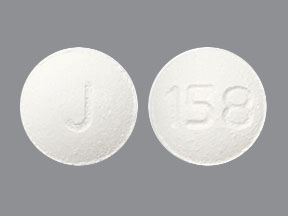
Detrol Coupons & Savings Card – Discount Prices from $36.72
Brand for: Tolterodine
My prescription
Edit
2MG, Tolterodine (180 Tablets)
Select pharmacy

CVS
$36.72
COUPON PRICE
Walgreens
$60.66
COUPON PRICE
Albertsons
$61.02
COUPON PRICE
Walmart
$74.80
COUPON PRICEDetrol savings card
Show this card to your pharmacistCVS
$36.72
BIN
ID
PCN
GRP
019876
LH78AD5C7D
CHIPPO
LHX
Powered by
Related muscarinic antagonists prescriptions
More prescriptions for overactive bladder
Related muscarinic antagonists prescriptions
More prescriptions for overactive bladder
Price history for Detrol (brand) & Tolterodine (generic)
180 Tablets, 2MG
Average retail price for Detrol
Average retail price for Tolterodine
Average SaveHealth price for Tolterodine
Our price history data is based on aggregated prescription data collected from participating pharmacies in America. Our prescription data updates daily to reflect the latest price changes. If you notice a missing data point, it means there wasn't sufficient data available to generate a monetary value for that date.
Over the last 12 months, the average discount price of Detrol is $54.44 using the SaveHealth savings card. That's an average savings of 91.19% on Detrol with our discount card.
*Retail prices are based on pharmacy claims data, and may not be accurate when we don't have enough claims.
Detrol (Tolterodine) dosage forms
Dosage Quantity Price from Per unit 1MG 60 Tablets $19.72 $0.33 1MG 90 Tablets $33.01 $0.37 1MG 500 Tablets $63.55 $0.13 2MG 180 Tablets $36.72 $0.20 2MG 60 Tablets $20.60 $0.34 2MG 500 Tablets $55.25 $0.11
| Dosage | Quantity | Price from | Per unit |
|---|---|---|---|
| 1MG | 60 Tablets | $19.72 | $0.33 |
| 1MG | 90 Tablets | $33.01 | $0.37 |
| 1MG | 500 Tablets | $63.55 | $0.13 |
| 2MG | 180 Tablets | $36.72 | $0.20 |
| 2MG | 60 Tablets | $20.60 | $0.34 |
| 2MG | 500 Tablets | $55.25 | $0.11 |
What are the side effects of Detrol?
Detrol, which is used to treat overactive bladder, may cause several side effects. Common side effects include dry mouth, constipation, headache, dizziness, and dry eyes. Some individuals may also experience blurred vision, stomach pain, or difficulty urinating. Less common but more serious side effects can include severe allergic reactions, chest pain, or an irregular heartbeat. It is important for individuals to consult their healthcare provider if they experience any severe or persistent side effects.
Who should not take Detrol?
Detrol should not be taken by individuals who have urinary retention, gastric retention, or uncontrolled narrow-angle glaucoma. Additionally, those with a known hypersensitivity to tolterodine or any of its ingredients should avoid using Detrol. It is important for individuals to consult with their healthcare provider to determine if Detrol is appropriate for their specific medical condition.
Does Detrol affect blood pressure?
Detrol (tolterodine) is not commonly associated with affecting blood pressure. It is primarily used to treat overactive bladder symptoms. However, if a patient experiences any unusual symptoms or changes in blood pressure while taking Detrol, they should consult their healthcare provider for further evaluation.
Who cannot take tolterodine?
Tolterodine should not be taken by individuals who have urinary retention, gastric retention, or uncontrolled narrow-angle glaucoma. Additionally, those with a known hypersensitivity to tolterodine or any of its ingredients should avoid it. It is also important for individuals with certain medical conditions, such as severe liver impairment, to consult their healthcare provider before using tolterodine. Pregnant or breastfeeding individuals should discuss potential risks with their doctor.
Does tolterodine affect sleep?
Tolterodine may cause some side effects that could potentially affect sleep, such as dizziness or drowsiness. However, it is not commonly associated with significant sleep disturbances. If a patient experiences sleep-related issues while taking tolterodine, it is advisable to consult a healthcare provider for further evaluation and management.