

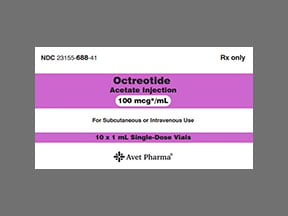
Sandostatin Coupons & Savings Card – Discount Prices from $5.37
Brand for: Octreotide
My prescription
Edit
1ML of 100MCG/ML, Octreotide (1 Vial)
Select pharmacy

CVS
$22.14
COUPON PRICE
Walgreens
$5.37
COUPON PRICE
Albertsons
$6.55
COUPON PRICE
Walmart
$7.71
COUPON PRICESandostatin savings card
Show this card to your pharmacistWalgreens
$5.37
BIN
ID
PCN
GRP
011867
LH4FF91278
HT
LABH001
Powered by
More prescriptions for acromegaly
More prescriptions for acromegaly
Price history for Sandostatin (brand) & Octreotide (generic)
1 Vial, 1ML of 100MCG/ML
Average retail price for Sandostatin
Average retail price for Octreotide
Average SaveHealth price for Octreotide
Our price history data is based on aggregated prescription data collected from participating pharmacies in America. Our prescription data updates daily to reflect the latest price changes. If you notice a missing data point, it means there wasn't sufficient data available to generate a monetary value for that date.
Over the last 12 months, the average discount price of Sandostatin is $17.34 using the SaveHealth savings card. That's an average savings of -2.60% on Sandostatin with our discount card.
*Retail prices are based on pharmacy claims data, and may not be accurate when we don't have enough claims.
Sandostatin (Octreotide) dosage forms
Dosage Quantity Price from Per unit 1ML of 100MCG/ML 1 Vial $8.70 $8.70 1ML of 50MCG/ML 1 Vial $8.97 $8.97 1ML of 50MCG/ML 2 Vials $9.94 $4.97 1ML of 50MCG/ML 3 Vials $10.92 $3.64 1ML of 100MCG/ML 2 Vials $9.40 $4.70 1ML of 100MCG/ML 3 Vials $10.11 $3.37 1ML of 500MCG/ML 1 Vial $12.21 $12.21 1ML of 500MCG/ML 2 Vials $16.42 $8.21 1ML of 500MCG/ML 3 Vials $20.64 $6.88
| Dosage | Quantity | Price from | Per unit |
|---|---|---|---|
| 1ML of 100MCG/ML | 1 Vial | $8.70 | $8.70 |
| 1ML of 50MCG/ML | 1 Vial | $8.97 | $8.97 |
| 1ML of 50MCG/ML | 2 Vials | $9.94 | $4.97 |
| 1ML of 50MCG/ML | 3 Vials | $10.92 | $3.64 |
| 1ML of 100MCG/ML | 2 Vials | $9.40 | $4.70 |
| 1ML of 100MCG/ML | 3 Vials | $10.11 | $3.37 |
| 1ML of 500MCG/ML | 1 Vial | $12.21 | $12.21 |
| 1ML of 500MCG/ML | 2 Vials | $16.42 | $8.21 |
| 1ML of 500MCG/ML | 3 Vials | $20.64 | $6.88 |
What is the drug Sandostatin used for?
Sandostatin is used to treat acromegaly, a condition where the body produces too much growth hormone. It is also used to manage symptoms associated with certain types of tumors, such as carcinoid tumors and vasoactive intestinal peptide-secreting tumors (VIPomas), which can cause severe diarrhea and flushing.
How does Sandostatin work for GI bleeds?
Sandostatin (octreotide) works for gastrointestinal (GI) bleeds by reducing blood flow to the gastrointestinal tract and decreasing the secretion of certain hormones that can exacerbate bleeding. It acts by mimicking somatostatin, a natural hormone, which helps constrict blood vessels and reduce portal pressure, thereby controlling bleeding, particularly in cases like variceal hemorrhage.
Is Sandostatin a form of chemotherapy?
Sandostatin is not a form of chemotherapy. It is a medication used to treat symptoms associated with certain types of tumors, such as carcinoid tumors and vasoactive intestinal peptide tumors. It works by mimicking a natural hormone in the body to reduce the production of certain substances that can cause symptoms.
Does Sandostatin increase blood sugar?
Sandostatin (octreotide) can potentially affect blood sugar levels. It may cause either an increase or decrease in blood sugar, depending on the individual. Patients with diabetes or those at risk for blood sugar fluctuations should monitor their levels closely and consult their healthcare provider for appropriate management.
Is octreotide a cancer drug?
Octreotide is not primarily classified as a cancer drug. It is a somatostatin analog used to treat symptoms associated with certain types of tumors, such as carcinoid tumors and vasoactive intestinal peptide tumors (VIPomas). It helps manage symptoms like severe diarrhea and flushing. While it is not a direct cancer treatment, it can be used to control symptoms related to certain cancers.