

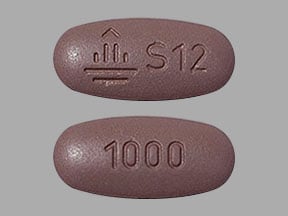
Synjardy Coupons & Savings Card – Discount Prices from $344.31
My prescription
Edit
12.5-1000MG, Synjardy (60 Tablets)
Select pharmacy

CVS
$369.20
COUPON PRICE
Walmart
$344.31
COUPON PRICE
Albertsons
$352.35
COUPON PRICE
Walgreens
$355.30
COUPON PRICESynjardy savings card
Show this card to your pharmacistWalmart
$344.31
BIN
ID
PCN
GRP
019876
LH114B651C
CHIPPO
LHX
Powered by
Related SGLT2 inhibitor / biguanide combinations prescriptions
More prescriptions for diabetes type 2
Related SGLT2 inhibitor / biguanide combinations prescriptions
More prescriptions for diabetes type 2
Price history for Synjardy
60 Tablets, 12.5-1000MG
Average retail price for Synjardy
Average SaveHealth price for Synjardy
Our price history data is based on aggregated prescription data collected from participating pharmacies in America. Our prescription data updates daily to reflect the latest price changes. If you notice a missing data point, it means there wasn't sufficient data available to generate a monetary value for that date.
*Retail prices are based on pharmacy claims data, and may not be accurate when we don't have enough claims.
Synjardy dosage forms
Dosage Quantity Price from Per unit 5-500MG 60 Tablets $344.31 $5.74 5-500MG 180 Tablets $1,027.49 $5.71 5-1000MG 60 Tablets $344.31 $5.74 5-1000MG 180 Tablets $1,023.89 $5.69 12.5-1000MG 60 Tablets $344.31 $5.74 12.5-500MG 60 Tablets $344.31 $5.74 12.5-500MG 180 Tablets $1,025.73 $5.70 12.5-1000MG 180 Tablets $1,024.39 $5.69
| Dosage | Quantity | Price from | Per unit |
|---|---|---|---|
| 5-500MG | 60 Tablets | $344.31 | $5.74 |
| 5-500MG | 180 Tablets | $1,027.49 | $5.71 |
| 5-1000MG | 60 Tablets | $344.31 | $5.74 |
| 5-1000MG | 180 Tablets | $1,023.89 | $5.69 |
| 12.5-1000MG | 60 Tablets | $344.31 | $5.74 |
| 12.5-500MG | 60 Tablets | $344.31 | $5.74 |
| 12.5-500MG | 180 Tablets | $1,025.73 | $5.70 |
| 12.5-1000MG | 180 Tablets | $1,024.39 | $5.69 |
Is Synjardy the same as metformin?
Synjardy is not the same as metformin. Synjardy is a combination medication that contains two active ingredients: empagliflozin and metformin. Metformin is one of the components of Synjardy, but Synjardy also includes empagliflozin, which is a different type of medication used to help control blood sugar levels in individuals with type 2 diabetes.
What are the side effects of Synjardy?
Synjardy, which contains empagliflozin and metformin, may cause several side effects. Common side effects include urinary tract infections, genital yeast infections, and increased urination. It may also cause gastrointestinal issues such as nausea, vomiting, diarrhea, and stomach pain. Some individuals may experience a decrease in appetite. Serious side effects can include lactic acidosis, dehydration, kidney problems, and low blood sugar when used with other diabetes medications. It is important for patients to discuss any side effects with their healthcare provider.
Which is better, SYNJARDY or metformin?
The choice between SYNJARDY and metformin depends on the individual's specific medical condition, treatment goals, and response to medication. SYNJARDY is a combination of empagliflozin and metformin, which may offer additional benefits for some patients, such as improved blood sugar control and potential cardiovascular benefits. Metformin is often the first-line treatment for type 2 diabetes due to its effectiveness, safety profile, and cost. A healthcare provider should evaluate the patient's overall health, medical history, and treatment objectives to determine the most appropriate medication.
What is the warning on Synjardy?
Synjardy carries a boxed warning for the risk of lactic acidosis, a rare but serious metabolic complication that can occur due to the accumulation of metformin. Patients should be advised to stop taking Synjardy and seek medical attention if they experience symptoms such as unusual muscle pain, trouble breathing, stomach pain, dizziness, or feeling cold. Additionally, Synjardy is not recommended for patients with severe renal impairment, and caution is advised in those with conditions that may predispose them to lactic acidosis.
Does SYNJARDY cause yeast infections?
Yes, SYNJARDY can increase the risk of yeast infections. This medication contains empagliflozin, which is a type of SGLT2 inhibitor. SGLT2 inhibitors can lead to higher levels of glucose in the urine, creating an environment that may promote the growth of yeast, potentially leading to yeast infections. Patients experiencing symptoms of a yeast infection should consult their healthcare provider for appropriate management.